Charting How Tiered Reward Structures Guide Session Planning in Interactive Card Sequences on Portable Platforms
Sage Klein · Sep 11, 2026
Charting How Tiered Reward Structures Guide Session Planning in Interactive Card Sequences on Portable Platforms
Portable platforms host interactive card sequences where tiered reward structures shape how users allocate time and adjust their approaches during play, with data from multiple regions showing consistent patterns in session length and decision timing. Developers design these tiers to progress from basic entry levels to premium benefits, and players respond by extending or shortening sessions based on proximity to the next threshold. Studies conducted across North America and Europe indicate that users often align their activity peaks with reward unlock windows rather than random engagement.
Mechanics of Tier Progression in Mobile Card Applications
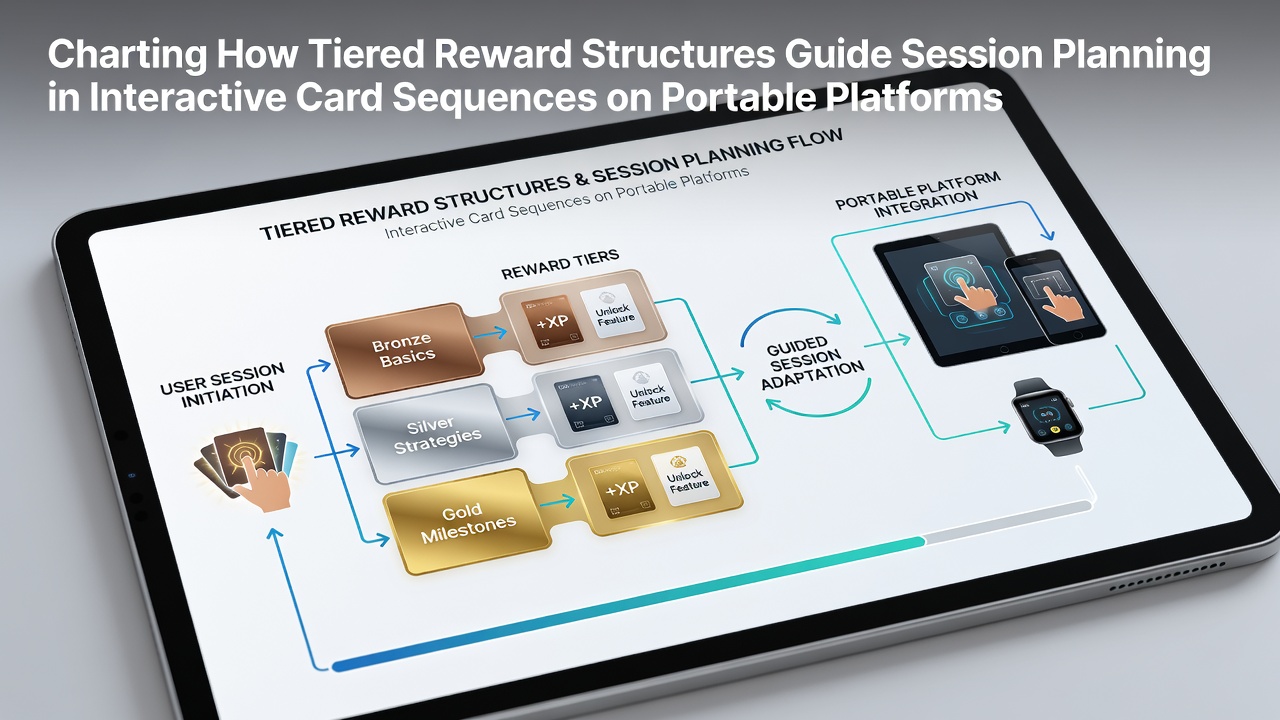
Tier systems operate through accumulated points earned from completed card sequences, where each level grants access to enhanced multipliers or exclusive variants, and this framework influences planning because participants track progress metrics displayed on screen. Researchers at institutions in Australia have documented that users review their current tier status before starting a session, leading to deliberate choices about hand volume and risk thresholds. Data from app analytics firms reveal that sessions initiated near tier boundaries average 22 percent longer than those begun at mid-tier points, reflecting calculated pacing to maximize upcoming benefits.
Portable interfaces display real-time progress bars that update after every sequence, allowing users to pause or accelerate based on remaining requirements, while integration with device notifications prompts returns at optimal times. Observers note that these visual cues reduce unplanned exits because players can forecast completion times within the app environment. In September 2026, several major platforms introduced dynamic tier resets tied to calendar months, which prompted measurable shifts in session clustering during the first week of each cycle according to aggregated usage reports.
Influence on Decision Patterns During Sequences
Card sequence decisions, such as when to increase stakes or switch variants, correlate with tier advancement goals because higher levels unlock features that alter payout distributions. Evidence from industry reports compiled by the American Gaming Association shows users at lower tiers favor conservative selections to build points steadily, whereas those approaching upper tiers experiment with varied sequences to test new mechanics. This behavioral layering creates predictable arcs within individual sessions, where early phases focus on accumulation and later phases emphasize optimization once thresholds near.
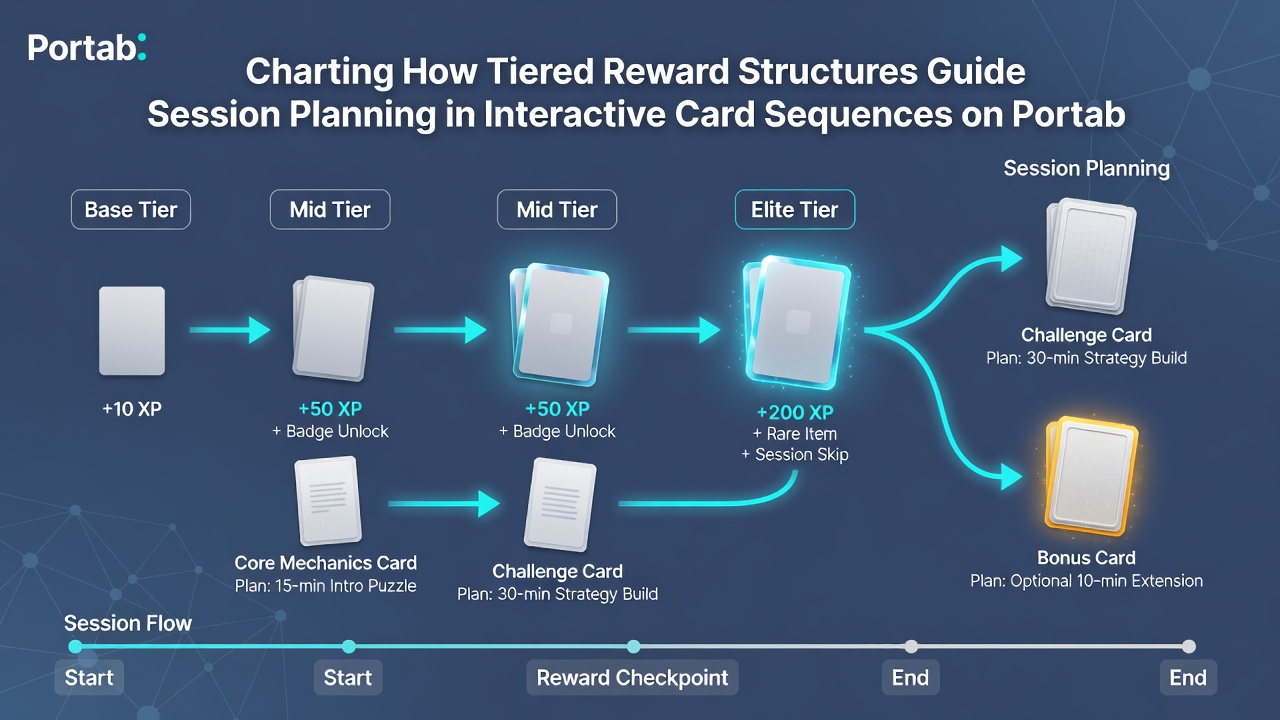
Portable platforms facilitate these adjustments through seamless in-app tools that display historical session data alongside current tier benefits, enabling users to reference past performance while planning current activity. Analysts examining datasets from Canadian provincial gaming authorities found that players who consult these tools maintain more consistent session durations across multiple days, reducing variance caused by external interruptions. The structure encourages pre-session reviews because tier information appears prominently on launch screens, guiding initial parameter selections before sequences begin.
Regional Data Patterns and Platform Adaptations
Usage statistics gathered from European operators demonstrate that tiered structures produce similar session planning effects regardless of specific card variants offered, with users in different countries exhibiting comparable timing adjustments around reward milestones. Platforms adapt these systems by incorporating region-specific payment integrations that align with local banking cycles, further anchoring session starts to predictable intervals. Figures released in 2026 highlight increased engagement in markets where tier notifications sync with mobile operating system calendars, allowing automatic reminders that coincide with user availability windows.
Those who track long-term data observe that cross-platform portability amplifies the effect because progress carries between devices, prompting users to plan sequences during commutes or breaks when tier advancement feels achievable. Academic reviews from research groups in Asia confirm that such continuity reduces abandonment rates at lower tiers by maintaining momentum across fragmented daily schedules. Developers respond with interface refinements that prioritize tier visibility, ensuring the information remains accessible without disrupting core card sequence flow.
Conclusion
Tiered reward structures on portable platforms establish clear frameworks that users incorporate into session planning for interactive card sequences, supported by usage data from multiple regulatory and research bodies. Patterns emerge consistently across regions because the systems provide measurable milestones that align with time management preferences. Continued platform evolution, including refinements introduced around September 2026, sustains these dynamics by enhancing visibility and synchronization features that reinforce deliberate engagement approaches.